

Skiing and Snowboarding Season: Does Your Family Need a Custom Mouthguard?
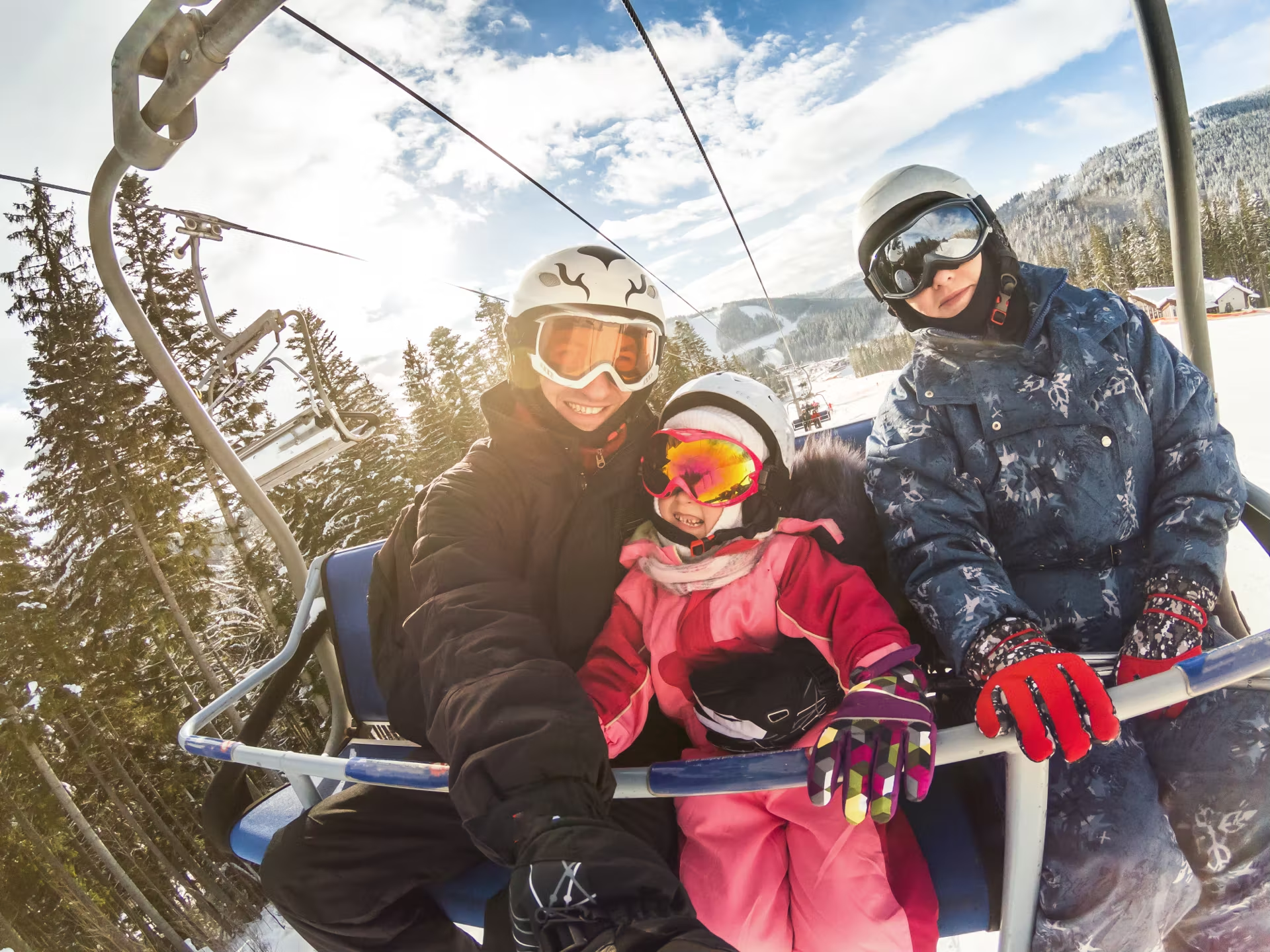
Yes. A helmet protects your head, but it does not protect your teeth. A custom mouthguard helps cushion impacts to the face and jaw, and it is one of the simplest ways to reduce the risk of chipped, broken, or knocked-out teeth on the slopes. As ski and snowboard season gets underway across Colorado, the team at Clear Smile Dental Care in Highlands Ranch helps families get fitted before the first trip, so everyone can enjoy the mountains with a protected smile.
Why Do Skiers and Snowboarders Need Mouthguards?
Skiing and snowboarding involve speed, uneven terrain, and plenty of falls, especially for beginners and kids still learning. A sudden face-first tumble, a collision with another rider, a swinging chairlift bar, or an awkward landing in the terrain park can all send force straight to the mouth. Helmets are essential for head protection, but they do not cover the teeth, lips, or jaw.
Many dental organizations recommend mouthguards for activities that carry a risk of falls or facial impact, and winter sports are on that list. A mouthguard creates a protective barrier that absorbs and spreads out force, so your teeth are less likely to take the full hit.
What Dental Injuries Are Common on the Slopes?
Impacts to the face can cause several types of injuries, including:
- Chipped or cracked teeth
- Broken teeth that expose the sensitive inner layers
- Teeth that are loosened or knocked out completely
- Cuts to the lips, tongue, or cheeks
- Jaw injuries
Treating these injuries can involve restorative care, such as a dental crown, root canal therapy if the nerve is damaged, or a dental implant if a tooth cannot be saved. Preventing the injury in the first place is almost always easier, less costly, and far less disruptive to a family vacation.
What Is the Difference Between Custom and Store-Bought Mouthguards?
There are three main types of mouthguards, and they differ in fit, comfort, and how well they stay in place:
- Stock mouthguards: These come pre-formed and ready to wear, but they rarely fit well and can be bulky.
- Boil-and-bite mouthguards: These are softened in hot water and shaped by biting down. They fit better than stock options, but the fit is still approximate and can loosen over time.
- Custom mouthguards: These are made by a dentist from an impression of your teeth, so they fit securely, feel more comfortable, and make it easier to speak and breathe.
The best mouthguard is the one you will actually wear, and a comfortable custom fit makes that much more likely. Our athletic dentistry service offers custom sports mouthguards made from digital impressions, which means no messy trays. You can see more about the tools we use on our advanced dental technology page.
Do Kids and Teens Need Mouthguards for Skiing and Snowboarding?
They can benefit a great deal. Kids in ski school, on youth race teams, or learning to snowboard tend to fall often, and their teeth and jaws are still developing. A good rule of thumb is to start a mouthguard when your child begins any activity with a risk of facial impact.
Because children grow quickly, a mouthguard may need to be replaced as their teeth and jaws change. Pairing a mouthguard fitting with your child's regular visit makes it easy to keep up. Learn more about our children's dentistry, or schedule routine cleanings and exams for the whole family at the same time.
Should Adults With Veneers, Crowns, or Implants Wear a Mouthguard?
Yes. If you have invested in dental work, a mouthguard helps protect it. A hard fall can chip porcelain veneers or loosen a crown or implant restoration, which turns a fun day on the mountain into an expensive repair. Even adults with healthy natural teeth benefit from the same cushioning against facial impact.
What Should You Do if You Chip or Knock Out a Tooth While Skiing?
Dental injuries can happen even with the best precautions, and quick action can make a real difference. If a tooth is knocked out, follow these steps:
- Find the tooth and handle it by the crown. Avoid touching the root.
- Rinse it gently. Use water only, and do not scrub it or remove attached tissue.
- Try to place it back in the socket, if it is an adult tooth. If that is not possible, keep it moist in milk or in your mouth against your cheek. Do not try to reinsert a baby tooth.
- Call us right away. A knocked-out adult tooth has the best chance of being saved when it is treated as soon as possible, ideally within about an hour.
For a chipped or broken tooth, save any pieces, rinse your mouth gently with warm water, and apply a cold compress to reduce swelling. Then contact our office as soon as you can. Our emergency dental care team is here to help, and our guide on what counts as a dental emergency can help you decide how urgent your situation is. If you have severe bleeding, a suspected head or neck injury, or any sign of a concussion, call 911 or go to the nearest emergency room first.
How Do You Get a Custom Mouthguard in Highlands Ranch?
Getting fitted is quick and comfortable. During your visit, we take a digital impression of your teeth, design a mouthguard tailored to your bite, and check that it fits securely and comfortably. Our office opens at 7:00 am on Tuesday, Wednesday, and Thursday, which can make it easier to schedule a fitting around school and work. Dr. Tony Hong, who moved to Colorado in part because of his love of skiing, and our team welcome families from Highlands Ranch, Westridge, Lone Tree, Littleton, and Centennial.
Try to book a few weeks before your first trip, since custom mouthguards take a little time to design and fit. This is especially important around the holidays, when schedules fill up quickly.
FAQs
Do I need a mouthguard if I wear a helmet?
Yes. A helmet protects your head, but it does not cover your teeth, lips, or jaw. A mouthguard adds protection where a helmet cannot.
Can I use my night guard for skiing or snowboarding?
A night guard is designed to protect your teeth from grinding, not from impact. A sports mouthguard is built to absorb force and stay securely in place during activity, so it is the better choice on the slopes.
Can I wear my Invisalign aligners instead of a mouthguard?
Clear aligners are not designed to protect against impact. If you are in treatment, ask us about the best way to protect your teeth during winter sports. Learn more about our Invisalign and clear aligners.
Do mouthguards prevent concussions?
Mouthguards are designed to protect the teeth, lips, and jaw. Helmets are the main protection for the head, so wearing both is the best approach for winter sports.
How long does a mouthguard last?
It depends on how often you use it and how it wears. Growing children may need a new one more often as their teeth and jaws change, and any mouthguard that is cracked, worn thin, or no longer fits should be replaced.
Does dental insurance cover a sports mouthguard?
Coverage varies by plan. Some plans cover part of the cost, while others do not. Our Dental Insurance & PPO Plans page explains how we work with many major insurance providers, and our team can help you understand how your plan applies.
What other winter activities call for a mouthguard?
Ice skating, hockey, sledding, and tubing all carry a risk of falls or collisions. A mouthguard is a smart choice for any activity where your face could take an impact.

Get Ready for Ski Season With a Custom Mouthguard
Protecting your family's smiles takes only one short visit. Book an appointment online or call us at (303) 770-8278 to schedule a custom mouthguard fitting before your next trip to the mountains.
Schedule your visit with our team today.